



Albania has already opened all 6 clusters of negotiations for membership in the European Union. North Macedonia is stuck in medieval narratives, in order to avoid membership in the European Union. Kosovo has unresolved issues with Serbia to start negotiations.
Albania is accelerating its negotiations with the European Union. The country is mobilizing all resources to complete the negotiations as soon as possible. Cluster 1, which is the basis for negotiations, opens first and closes last in negotiations with the EU.
“It is very important that the entire society participates in the negotiation process. Civil society organizations, youth as a category are particularly important in this process, because they will benefit the most from the European Union,” says Arjan Durmishi, executive director of the Center for the Study of Democracy and Good Governance (CSDG) from Tirana, Albania.
His organization has been monitoring the negotiation process in the most important chapter, the so-called basics, for several years.
Unlike Albania, which has started negotiations with the European Union, North Macedonia is lagging behind. The main reason is that the ruling party has no will to unblock the negotiations.
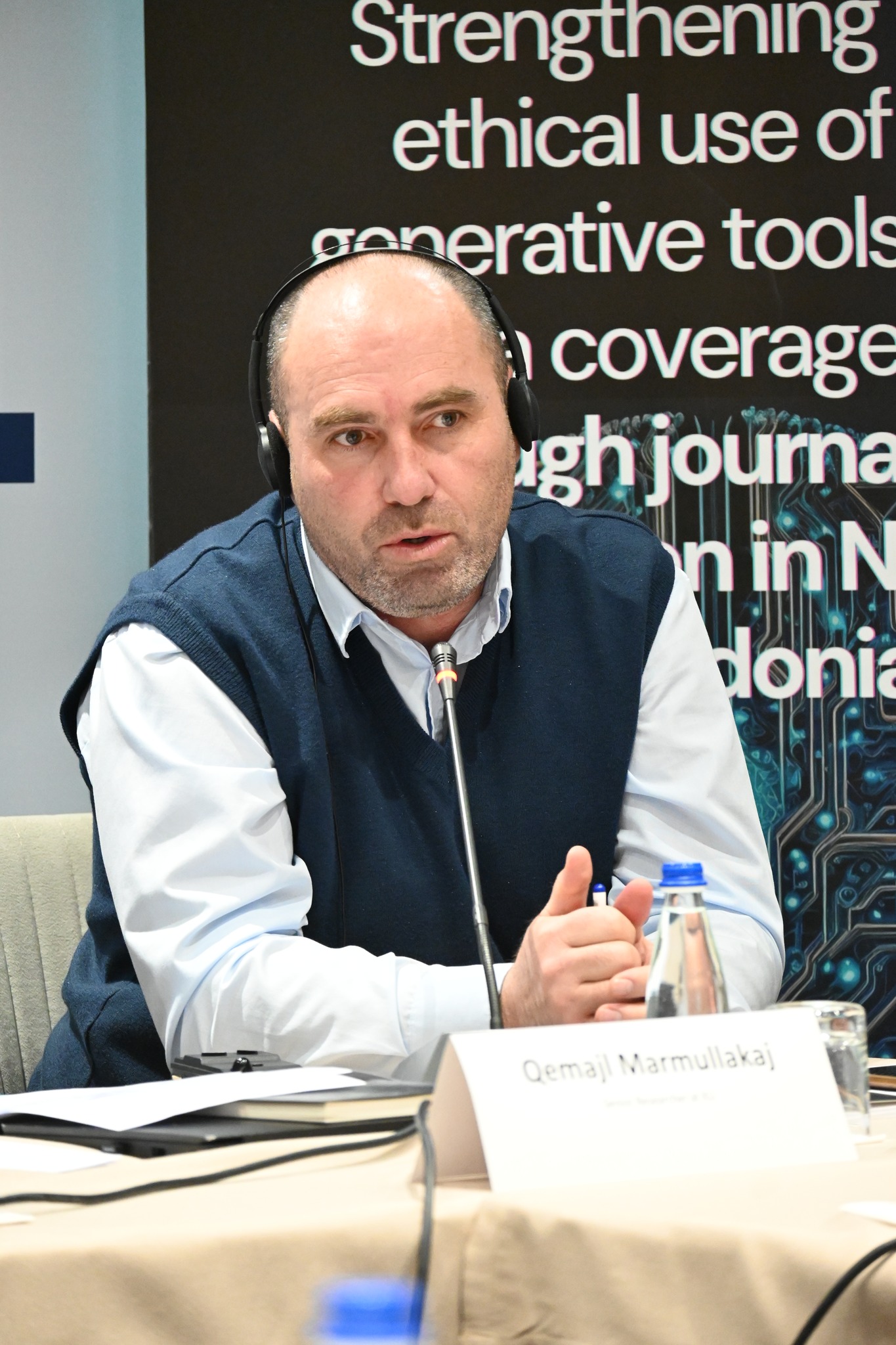
“The government of Hristijan Mickoski has an anti-European agenda. It does not want to bring the country into the European Union. That is why it is making excuses. North Macedonia has never had a clearer path to the EU. Statements like, give us guarantees that you will not block us further is an excuse to avoid starting negotiations. An informal condition for all countries from Eastern Europe that have entered the European Union is to open the archives of the secret services from the former Yugoslavia,” said Goran Lefkov, president of SCOOP Macedonia.
He adds that in chapters 23 and 24 of Cluster 1, North Macedonia has received worse grates, or in the terminology of the European Union, “no progress”.
In Kosovo Law Institute, believes that cooperation between the Western Balkan countries is necessary to exchange experiences in the negotiation process.
Kosovo has its own problems on the road to the European Union. But our institutions must follow the processes in the region, so that when we get a chance, we can make the most of it.
Judiciary is also a very big problem in Kosovo. While the courts are functioning, the prosecution office is not delivering the necessary results for which it was established.
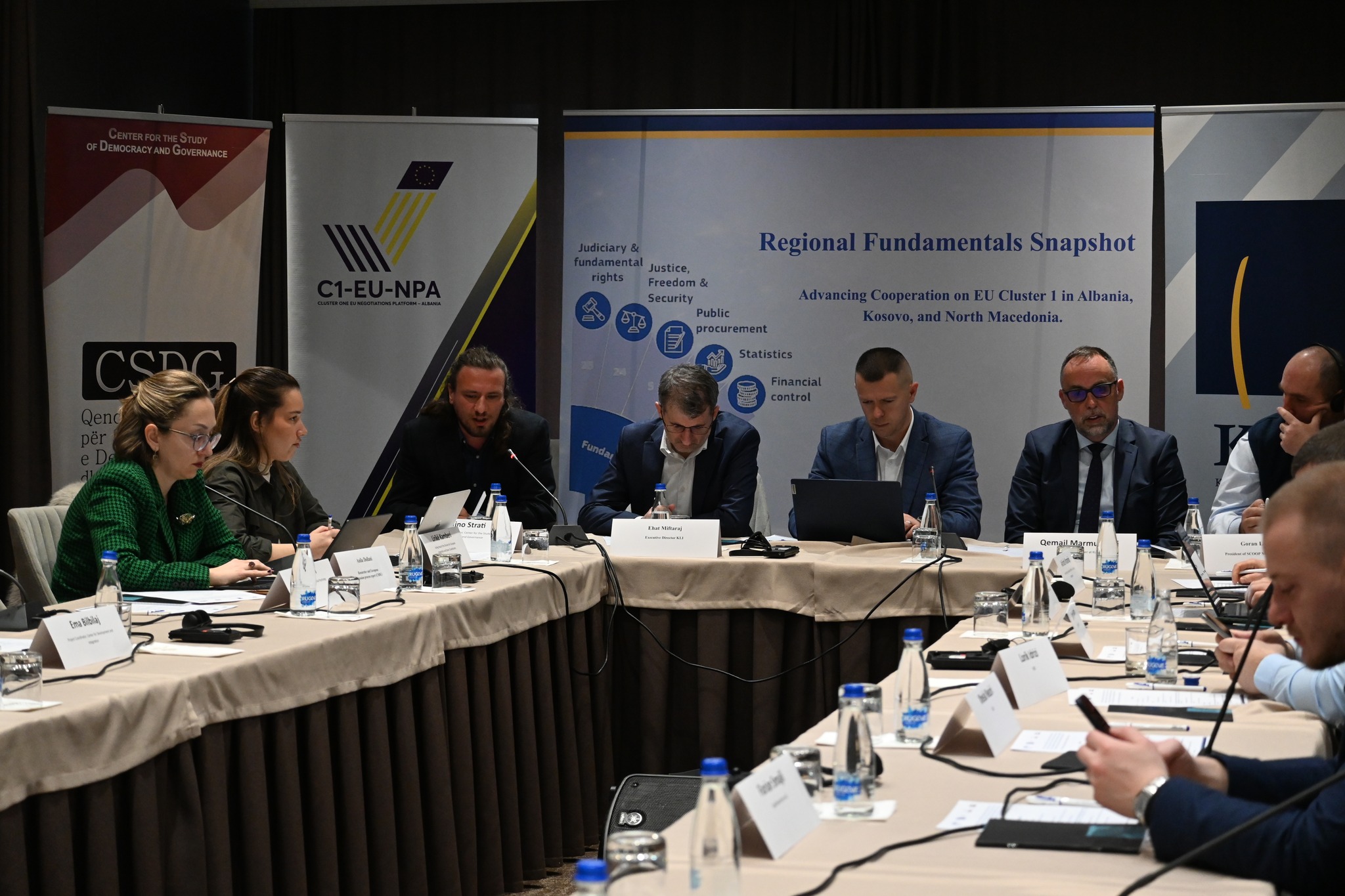
These views were expressed at a debate held in Pristina last week. The debate was hosted by the Kosovo Law Institute, and is part of the project “Sharing the Experience of Albania’s Negotiations in Cluster 1”, financially supported by the Western Balkans Fund.
